PANTOPIX Umsetzung Systemeinführung Systemintegration Informationssysteme
PANTOPIX Implementation System introduction System integration Information systems

IMPLEMENTATION

System implementation and integration for linked information

We introduce systems and ensure that they work together seamlessly – so that your information can be used consistently.

Many companies have modern editorial systems, service platforms, PIM systems and content delivery portals or would like to introduce one. Each is undoubtedly powerful in its own right. In practice, however, friction losses occur because there is no integrated system landscape. Data has to be maintained multiple times. Information is contradictory or not up to date. Processes end at system boundaries and are continued manually.

Avoidable complexity, lost time and decisions based on incomplete information are the result. This is where strategic system implementation and holistic system integration come in.

System introduction in detail

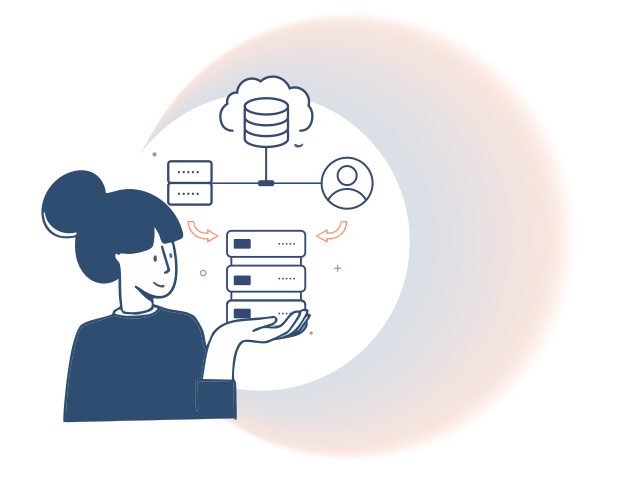
Integrating systems into a unified whole

Introducing software and integrating it into an existing system landscape affects many areas of a company, from IT and specialist departments to external service providers.

That is why we work transparently, with clear contact persons and a structured approach. We involve relevant stakeholders and ensure proper documentation and knowledge transfer.

This allows you to keep control of your systems at all times and remain capable of acting.

Grafik Umsetzung Systemintegration

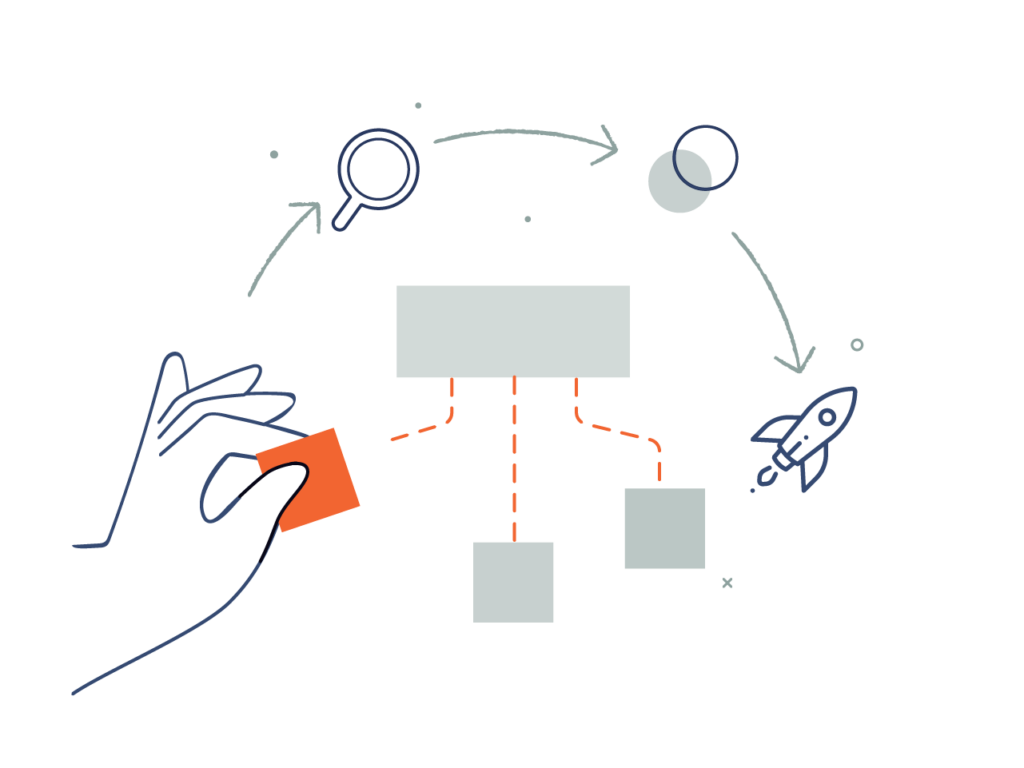
01Analysis and clarification of objectives

We analyze your existing system landscape, relevant processes and data flows. Together with you, we define how the new software should be introduced and which systems should be integrated, what information is required and what goals should be achieved.

On this basis, we develop an integration concept that defines how systems communicate with each other, which interfaces are required and how data is structured and maintained. The concept is technically robust and professionally comprehensible.

We implement the defined interfaces, data flows and automation. In doing so, we pay attention to stability, security and maintainability. Existing systems remain usable, new dependencies are avoided.

We attach particular importance to user acceptance. This includes tests with key users, an accompanied pilot phase for technical and procedural acceptance of the system and the integration of users through feedback loops. This ensures a high level of acceptance and usability of the systems.

As part of the data migration existing content and data from legacy systems are analyzed in a structured manner, cleansed and transferred to the new system. The inventory and source system analysis as well as the development of a migration strategy form the basis. An assessment is also made as to whether automated migration offers advantages over manual migration. The aim is to create a consistent, complete and high-quality database for the system launch[

We test new systems and integrations before they go live. This is done in line with the ongoing projects, affected locations and user groups and takes into account both technical and organizational requirements.

Change management and training
Accompanying change management is a key element. Through clear and targeted communication, employees are informed and involved at an early stage and prepared for the use of new software and processes. A communication plan defines the content, formats and timing of the relevant measures.

Accompanying support
We offer ramp-up support during the introductory phase. This includes operational support, answering user questions and quickly resolving problems after the go-live. The aim is to ensure a stable transition to regular operation and a high level of acceptance of the system

Result

Goals of system implementation and integration

We support you with the complete introduction of your precisely configured new software into your system landscape, so that all systems are optimally integrated into your daily workflows and can be used productively straight away.

High user acceptance and fast operational readiness

Seamless integration and reliable database

Future-proof solution with potential for further development

A look at the practice

Introducing a PIM system: How to go from analysis to implementation

Find out everything you need to know about introducing a product information management system into your existing system landscape in our overview article.

Grafik PIM PANTOPIX

FAQ

Frequently asked questions about system integration

How long does it take to implement a new system?

A system implementation is not a rigid project with a fixed end date, but a structured process. Depending on the scope, data volume and number of connected systems, an implementation usually takes several weeks to months.

It is important that the customer’s workflows are not unnecessarily disrupted. A step-by-step, agile approach means that initial functions can often be used productively at an early stage, while other use cases are implemented in parallel. In this way, day-to-day business remains operational and the added value of the new system quickly becomes noticeable.

A good software implementation relieves internal teams, prevents frictional losses and ensures that the system works in practice. Targeted training, training documents, user acceptance tests and accompanying support promote acceptance and make users fit for the new processes.

When migrating existing data, it is first analyzed, cleansed and prepared in a structured manner. It is then migrated to the new system using defined mappings and transformation rules. Test migrations and validations ensure that the data is transferred completely, consistently and correctly.

During a system implementation, a new system is introduced into the company and made ready for productive use. The focus is on selection, configuration, customization and training. The aim is to ensure that the new software runs stably and can be used by the users.

System integration goes beyond this. It does not consider a single system, but the interaction of all relevant systems. The aim is to connect data, processes and interfaces in such a way that end-to-end workflows are created and information is consistently available.

In practice, system integration is usually part of system implementation.

Your question is not listed?

We are happy to answer all open questions personally and without obligation.

Together, we unlock the full potential of your knowledge.

Contact person

Our expert for system implementation

Maximilian Gärber Technical Consultant PANTOPIX

Maximilian Gärber

Principal Consultant

Search

Search