DITA as the standard for technical documentation

Artikelbild DITA als Standard in der Technischen Dokumentation

10. March 2021

What is DITA? The XML standard explained simply

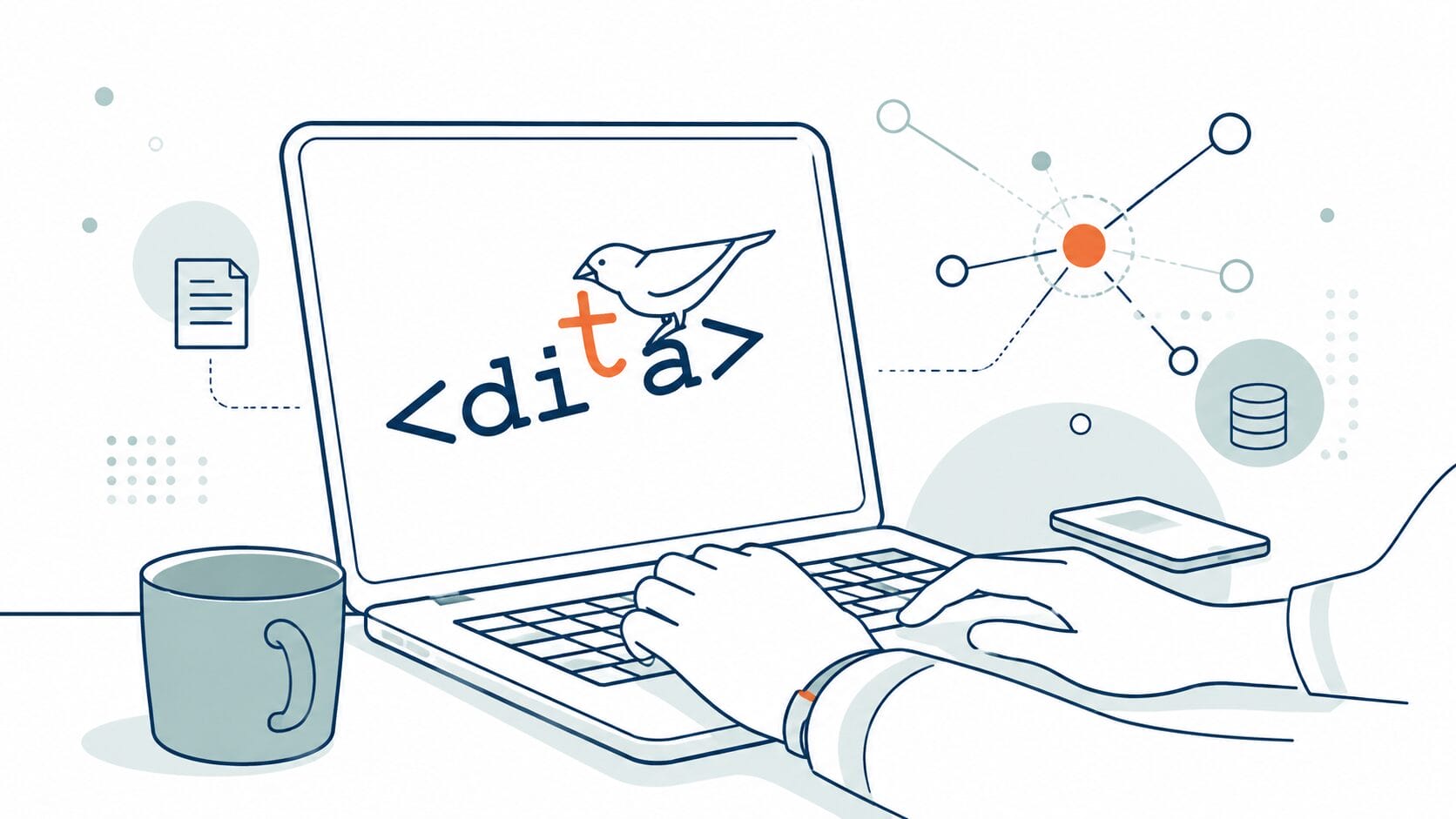
DITA (Darwin Information Typing Architecture) is an XML-based document format that was developed by OASIS in 2005 and has been available free of charge as a DTD ever since.

DITA has established itself as a standard in technical documentation and is used to create, distribute and reuse technical information. Content can be easily created and appropriately managed with topics.

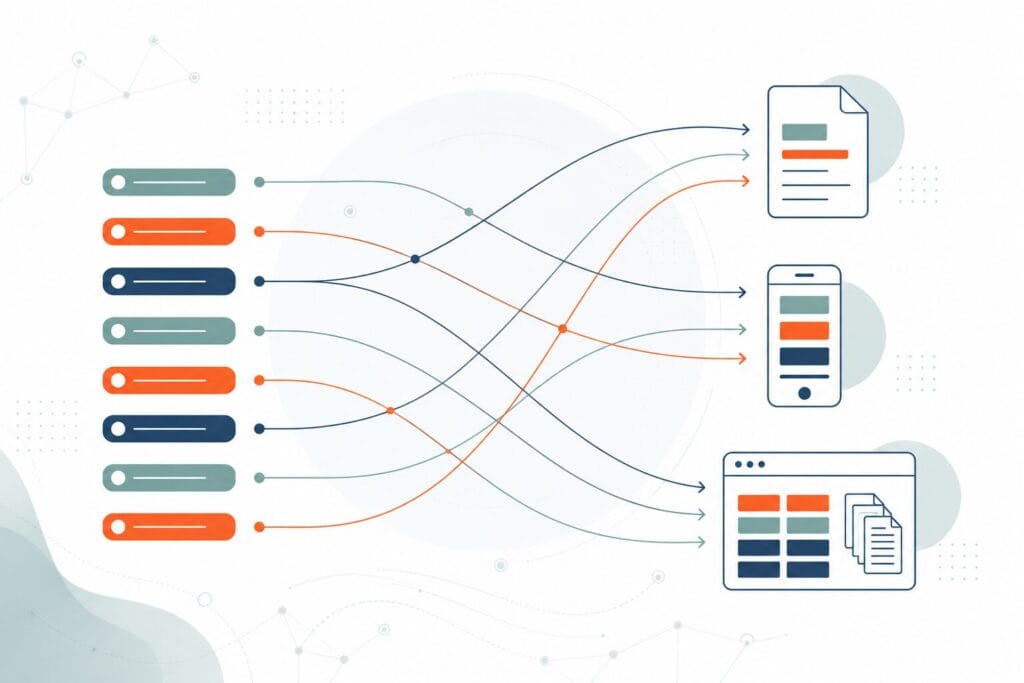
Thanks to their modularity, the topics can also be reused efficiently. This is a decisive advantage, especially for technical communication, where a large amount of content has to be provided repeatedly in different media.

DITA Topics: Basis for structured content

The basis of the standard is formed by the so-called topics with which technical information is recorded. Topics are small thematic information units with a title and content that are self-contained and can be reused in a modular fashion.

A topic provides the appropriate answer to a question. DITA provides various topic types and an information architecture that allows the topics to be collected and organized in a meaningful way.

The DITA Open Toolkit provides a production environment with which the XML files created can be converted into various output formats such as HTML or PDF.

DITA in technical communication: use and advantages

The topic-oriented structuring of content has become established in technical communication. Topics are the key to success – with topics, information can be created and maintained in one place, independent of media and standardized. Topics can also be created without DITA, but of course DITA offers all the advantages of XML and those of a standard.

In a technical editing process, these topics can now be created in the XML standard and processed accordingly with the DITA Open Tool Kit and the desired output format generated. The use of a suitable editorial system with a flexible information model is certainly more convenient and more suitable for large companies with numerous technical editors.

DITA is used successfully all over the world, but German-speaking countries are resisting. The basic idea is that of a standard: Free exchange and sharing of information, independent of systems. For DITA (as for many other standards), of course, this has consequences: too vague in places, too little and too much semantics, familiarization that takes some getting used to, features that today we would rather map via a system than via logic in the file system.

But this shows us the way forward: Use DITA for topic-oriented structuring of content, use suitable systems for intelligent use and cleverly restrict the model – the information remains modular and interchangeable. The future of technical communication.

Karsten Schrempp

Managing Director | PANTOPIX

We will be happy to inform you regularly about new articles, videos or podcast episodes.

Knowledge

Find out more about networking information

The Content Component Alliance round table focused on the question: What Makes Intelligent Content Indispensable? Watch the recording.
Share this post
Kopiert!

Search

Search