
28. January 2025
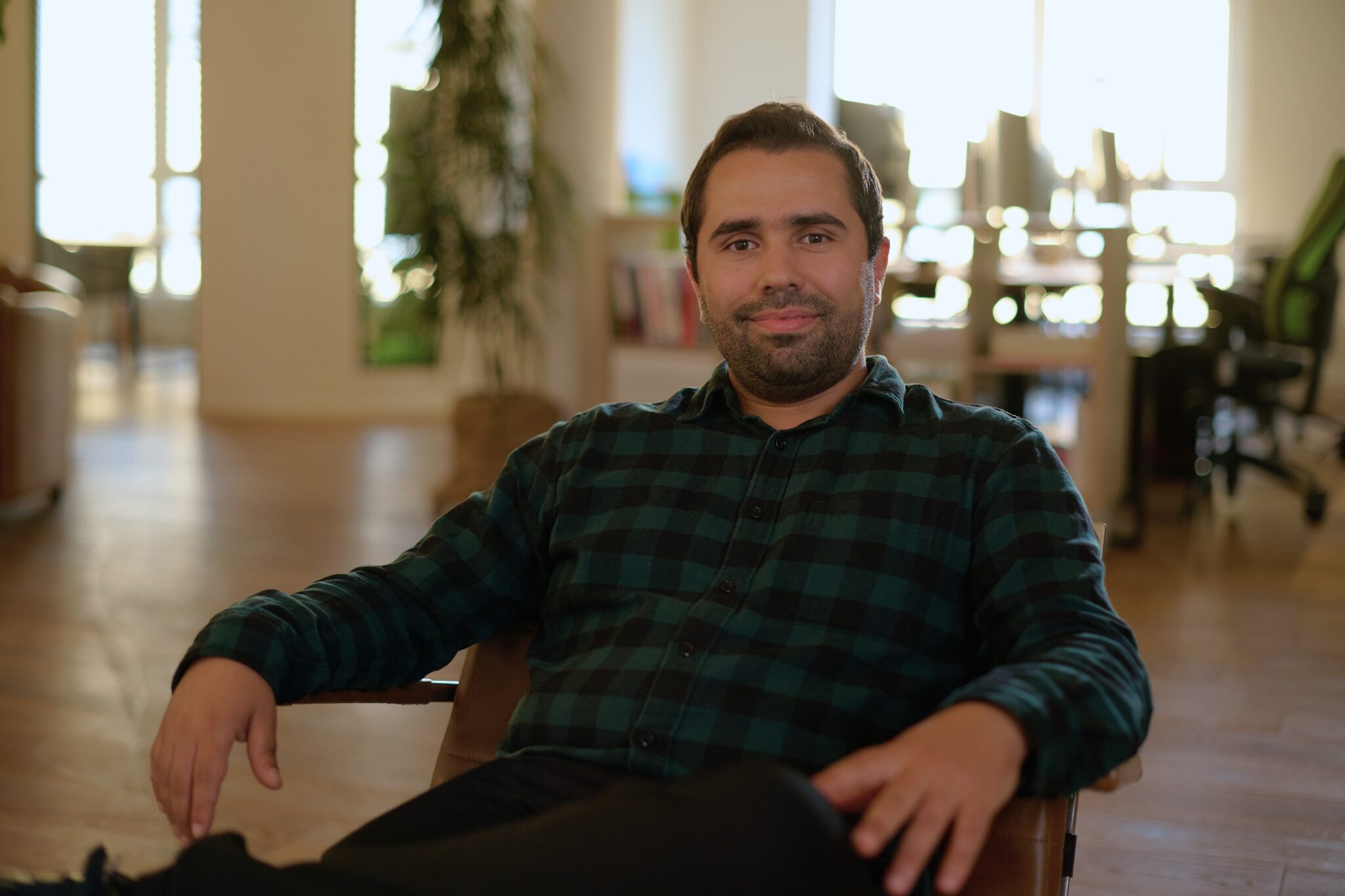
Dr. Amir Laadhar is an experienced knowledge engineer with over five years of extensive experience in industry and academia across Europe. He holds a PhD in Computer Science from the prestigious University of Toulouse, France. His professional expertise lies in the application of semantic technologies and the development of innovative data solutions to overcome complex challenges and deliver measurable value to organizations.
We asked Amir a few questions about his role and the tasks of a Knowledge Engineer at PANTOPIX.
Amir, what are your main tasks as a Knowledge Engineer?
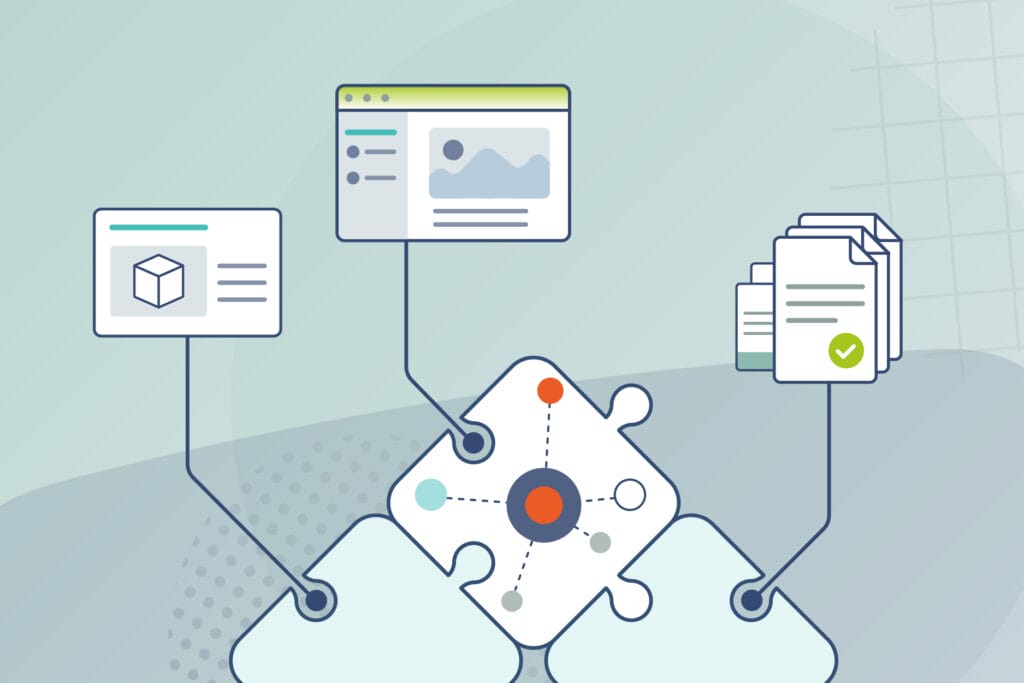
As a Knowledge Engineer, I handle a variety of technical and strategic responsibilities. A key part of my work involves designing, implementing, and maintaining scalable and efficient knowledge graph databases. This involves structuring complex information in such a way that it can be interconnected and utilized effectively.
In addition, I develop ontologies—formal models for describing specific subject areas. They help enable semantic interoperability and facilitate the derivation of conclusions from data. Another area of responsibility is the development of data engineering pipelines. These ensure that data can be transformed, integrated, and prepared for use in semantic systems.
The integration of large language models also plays an important role in my work. I focus on how large language models can be effectively integrated into workflows to facilitate interaction with data. Additionally, my responsibilities include evaluating new technologies, tools, and frameworks and assessing how they can be applied in our projects.
In addition to my technical responsibilities, I also take on leadership and mentoring roles. In these roles, I support team members, foster collaboration, and help ensure that projects are successfully implemented and that the team’s skills continue to develop.
What skills and knowledge are particularly important in your job?
In my role as a Knowledge Engineer, expertise in semantic web technologies is particularly important. This includes standards such as RDF, OWL, and SPARQL, which form a central foundation for the development of knowledge graphs.
Good communication skills are just as important. Since the topics are often complex, it is crucial to explain technical content in an understandable way and make it accessible to different stakeholders. This is the only way to clearly align requirements, goals, and solutions.
Software development skills also play an important role. Programming skills, for example in Python or Java, are necessary for building scalable systems and implementing concrete solutions.
In addition, adaptability is very important. Technologies, tools, and methods are constantly evolving. That is why a flexible mindset and a willingness to adapt quickly to new developments are essential.
What role does AI play in your work as a Knowledge Engineer?
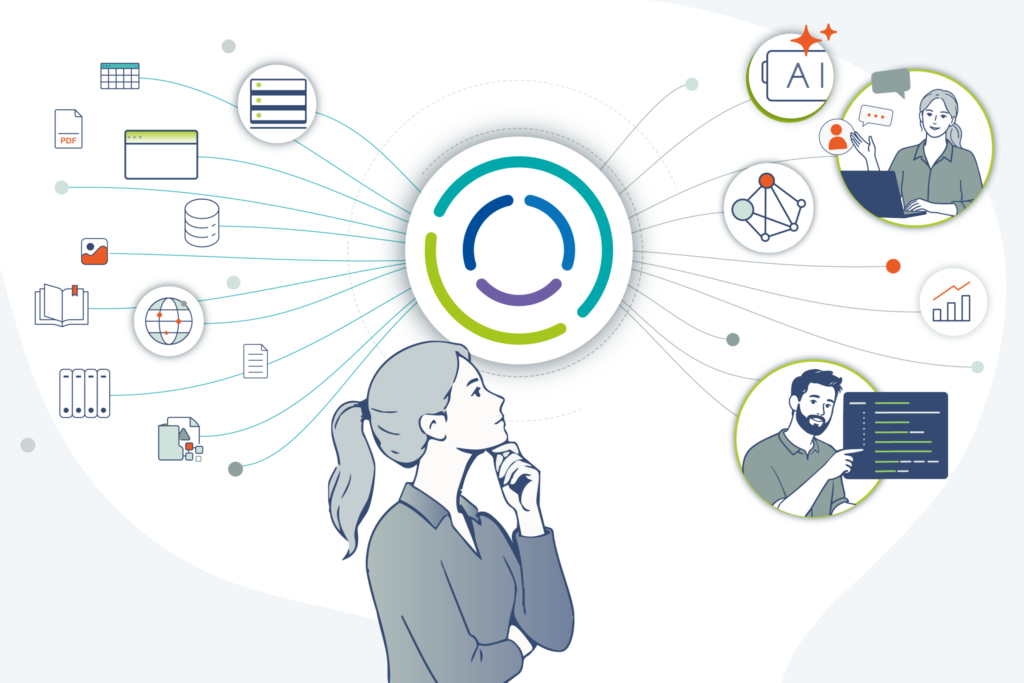
AI is an indispensable tool in my daily work. It is particularly helpful when it comes to processing natural language. This allows information to be extracted from unstructured sources, analyzed, and organized into a structured format.
AI also supports knowledge processing. This includes tasks such as named entity recognition, entity mapping, and semantic extraction. These methods help identify relevant entities, establish connections, and build or refine knowledge graphs.
The use of AI can streamline workflows, improve accuracy, and boost overall productivity.
How do you work with other teams?
Collaboration with other teams is a central part of my work. To ensure effective coordination, we hold regular coordination meetings. During these meetings, we discuss progress, clarify any outstanding issues, and determine the next steps to take together.
In addition to these scheduled meetings, there are also ad hoc meetings held as needed. These are particularly helpful when specific problems arise or new opportunities emerge at short notice that need to be evaluated together.
Another key point is documentation and knowledge sharing. Clear records, shared resources, and transparent information ensure that communication between the various departments runs smoothly.
What trends do you see for the future of knowledge engineering?
I foresee three key developments in particular for the future of knowledge engineering:
- LLM and knowledge graph integration: Widespread adoption of large language models to improve queries, reasoning and interaction with knowledge graphs.
- Increasing acceptance of knowledge graphs: More and more companies will recognize the value of semantic technologies for data integration and decision making, according to industry forecasts from Gartner.
- Automation in ontology development: New tools will reduce the manual effort required to create and maintain ontologies.
How can the success of a knowledge engineering project be measured?
The success of a knowledge engineering project can be evaluated using both qualitative and quantitative criteria:
- Customer satisfaction: Positive feedback from stakeholders is the ultimate confirmation of a project’s impact.
- Achievement of the defined objectives: It is assessed whether the project meets or exceeds the defined requirements.
- Scalability and ease of use: Evaluation of how well the solution works under real-life conditions and how easy it is for end users to operate.
- Reuse of knowledge: Ensure that the system facilitates long-term knowledge sharing and reusability.
How would you explain knowledge engineering to someone who doesn't have a technical background?
Knowledge engineering is about organizing information so that it is easy to find, understand and use. Imagine a smart library where every book, article and note is automatically linked to related materials so you can find exactly what you need, when you need it. It helps companies make better decisions by linking and structuring knowledge.
How do you stay flexible and adapt to changes in technology and knowledge?
I stay adaptable by continuously learning and exploring new tools, technologies, and methods. This also includes further improving my German language skills so that I can collaborate even more effectively with my colleagues.
In addition, collaboration with different teams is very important. Different perspectives help us see things from new angles and develop better solutions. I make sure to incorporate these different viewpoints into my work.
Agility in problem-solving also plays a major role. When project requirements change or I have to step in at short notice for a colleague, it’s important to reassess priorities and still keep projects on track.
Clear communication with everyone involved also helps us align our goals and adapt effectively to new directions. Through this combination of learning, collaboration, flexibility, and communication, I can remain adaptable while ensuring the quality of my work.
Looking for a new professional challenge? Then become part of our team!
PANTOPIX stands for intelligent solutions in technical communication. With our many years of expertise, we support companies in optimizing their information processes and ensure maximum added value.
Become part of our team and help us shape the digital future of our customers. We look forward to receiving your application!